


If you have shopped for longevity supplements, you have probably seen NMN and NAD+ mentioned side by side, sometimes as if they were the same thing. They are closely related, but they are not identical, and the difference matters when you are deciding what is worth your money.
NMN, short for nicotinamide mononucleotide, is a molecule your body uses to make NAD+, the coenzyme that powers energy production inside every cell. The marketing often blurs these two together, so it helps to understand how they actually fit.
In this guide we explain what NMN is, whether NMN supplements really raise NAD+ levels in people, how NMN compares with NAD+ and another precursor called NR, and what the current safety and regulatory picture looks like in Canada and the United States. Where the evidence is still thin, we say so.
Note: This article is for informational purposes only and is not medical advice. It is not intended to diagnose, treat, or prevent any condition. Supplements can interact with medications and health conditions, so speak with a licensed healthcare provider before starting NMN or any NAD+ product.
What Is NMN?
NMN, or nicotinamide mononucleotide, is a naturally occurring molecule and a direct building block of NAD+. Your body makes it from vitamin B3, and small amounts also appear in foods such as broccoli, avocado, and edamame.
Because NMN sits just one step away from NAD+ in the body’s production line, it has been marketed heavily as an anti-aging supplement. Interest in NMN has grown quickly, but the label alone does not tell you whether it does what the packaging implies.
How Does NMN Relate to NAD+?
NMN is a precursor to NAD+, which means your cells convert NMN into NAD+ through a route called the salvage pathway. Raising the amount of NMN available is one strategy for supporting NAD+ levels, which tend to decline as we age.
Think of NAD+ as the finished product your cells rely on for metabolism, DNA repair, and signalling through proteins called sirtuins. NMN is one of the raw materials that feeds into making it. Declining NAD+ has been linked to several features of aging, which is why both the coenzyme and its precursors have drawn so much research interest. This relationship is the reason the NMN vs. NAD+ question is really a question about a raw material versus the finished coenzyme.
Do NMN Supplements Raise NAD+ Levels in Humans?
Yes. Several small human trials show that oral NMN can raise NAD+ levels in the blood in a dose-dependent way and is generally well tolerated over a few weeks to a few months. What is less clear is whether those higher NAD+ levels translate into meaningful health benefits.
Controlled trials in middle-aged and older adults have reported higher whole-blood NAD+ after daily NMN, along with early signals on measures such as cholesterol, blood pressure, and physical performance. These studies are encouraging, but most are small, short, and funded by industry, so the results should be read with some caution. Raising a laboratory value is not the same as improving how you feel or how long you live, and that gap is central to the NMN benefits debate.
It also helps to know that individual responses vary. Factors such as age, baseline NAD+ levels, the dose taken, and even digestive health can influence how much a given person’s NAD+ rises on NMN, which is part of why results differ from one study to the next. That variability makes it hard to promise any specific outcome for any specific person.
NMN vs. NAD+ vs. NR: How Do the Precursors Compare?
NMN, NAD+, and NR are all part of the same family, but they enter the body at different points. NAD+ is the active coenzyme, while NMN and NR are precursors that your cells convert into it.
NR, or nicotinamide riboside, is the most studied precursor in humans and has been shown to raise NAD+ safely, though the evidence for dramatic anti-aging effects remains limited. NMN sits one step closer to NAD+ in the pathway and has a growing but smaller body of human data. Direct NAD+, whether taken orally or given by injection, aims to supply the finished coenzyme, but oral NAD+ is poorly absorbed and injectable NAD+ carries its own regulatory questions. In practice, no single form has been proven clearly superior for health outcomes in people, so asking whether NMN is better than NAD+ does not yet have a clean answer.
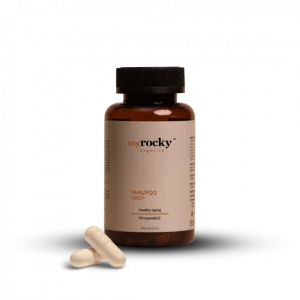
Are NMN Supplements Safe?
In the human trials conducted so far, NMN has been well tolerated at common doses, with side effects that are usually mild and short-lived. Long-term safety data, however, is still limited.
Reported NMN side effects are generally minor. They can include:
- Nausea or general digestive upset
- Headache
- Flushing or a warm sensation
- Mild fatigue or light-headedness
The main gap is time. Because most studies last weeks or a few months rather than years, long-term NMN side effects are not well characterized. Quality also varies between brands, so a product is only as trustworthy as the manufacturing and testing behind it. If you take medications or manage a health condition, check with your provider before starting.
What Is the Regulatory Status of NMN in Canada and the U.S.?
The regulatory status of NMN has shifted in both countries, so it is worth verifying the current position before you buy. As of 2026, NMN is sold in Canada as a licensed natural health product and, after a reversal, is again permitted in the United States as a dietary supplement.
In Canada, Health Canada regulates NMN as a natural health product, which means an approved product carries a licence number and has met requirements for safety, quality, and dosing. In the United States, the path has been bumpier. The FDA removed NMN from the dietary supplement category in late 2023 because it had previously been studied as a drug, then reversed that position in late 2025 and confirmed NMN as lawful in dietary supplements. Because rules can change again, confirm the current status at the time you are reading this, and favour NMN supplement products in Canada that clearly disclose their licensing and third-party testing.
What Does the Evidence Actually Show?
The evidence shows that NMN can raise NAD+ levels in humans and appears safe in the short term, but it does not yet prove that NMN slows aging or extends healthy lifespan. The fair summary is that NMN is a promising precursor with encouraging early data rather than a settled conclusion.
Much of the enthusiasm comes from laboratory and animal studies plus small human trials, which is a reasonable foundation but not a finished case. If your goal is healthy aging, the habits with the strongest evidence remain the unglamorous ones like sleep, movement, and nutrition.
None of this makes NMN a shortcut. The most honest reading is that it may complement a healthy lifestyle rather than replace one, and that larger, longer human trials are still needed before anyone can make strong claims about slowing aging.
Frequently Asked Questions
Is NMN the Same as NAD+?
No. NMN is a precursor that your body converts into NAD+, while NAD+ is the active coenzyme itself. Taking NMN is one way people try to support NAD+ levels indirectly.
Do NMN Supplements Work?
NMN supplements do appear to raise blood NAD+ levels in short human trials, so in that narrow sense they work. Whether they deliver noticeable anti-aging benefits is not yet proven and needs larger, longer studies.
Is NMN Better Than NR?
There is no clear winner. NR has more human safety data, while NMN sits one step closer to NAD+ in the pathway, and both can raise NAD+. The best choice depends on product quality, dosing, and your own goals rather than the molecule alone.
Are There Long-Term NMN Side Effects to Worry About?
Short-term studies suggest NMN is well tolerated, but long-term NMN side effects have not been well studied because most trials are brief. That uncertainty is a reason to use a licensed product and to involve a healthcare provider.
Where to Go from Here
NMN is really a story about NAD+, the coenzyme it helps your body produce. Explore myrocky to see how our licensed team approaches healthy aging. A longevity-focused option is on the way, and we will share more when it is ready.
The Bottom Line
NMN and NAD+ are closely linked, and NMN supplements do appear to raise NAD+ levels in people, at least in the short term. Whether that leads to real benefits for aging is still an open question, and the regulatory status continues to evolve in both Canada and the United States. If you are considering NMN, choose a properly licensed product, keep your expectations realistic, and talk with a licensed healthcare provider who knows your history before you begin.
References
- “The Role of NAD+ in Regenerative Medicine.” National Library of Medicine, PMC9512238.
- Imai, S., and Guarente, L. “NAD+ and Sirtuins in Aging and Disease.” Trends in Cell Biology, 2014, PMC4112140.
- Health Canada. “Licensed Natural Health Product: NAD+ (licence 80112465).” Licensed Natural Health Products Database.
- Damgaard, M. V., and Treebak, J. T. “What is really known about the effects of nicotinamide riboside supplementation in humans.” Science Advances, 2023.
- “Nicotinamide Mononucleotide Supplementation: Clinical Trial Data.” National Library of Medicine, PMC9735188.
- CIRS Group. “US FDA Confirms NMN Lawful in Dietary Supplements.” Regulatory News, 2025.
Disclaimer: This article is intended for informational purposes only and is not a substitute for professional medical advice, diagnosis, or treatment. Always consult your healthcare provider with any questions about a medical condition or treatment.
Editorial Standards: At Rocky Health, we’ve made it our mission to support men and women with trustworthy, easy-to-understand medical and health information online. Read more about our editorial standards here.